

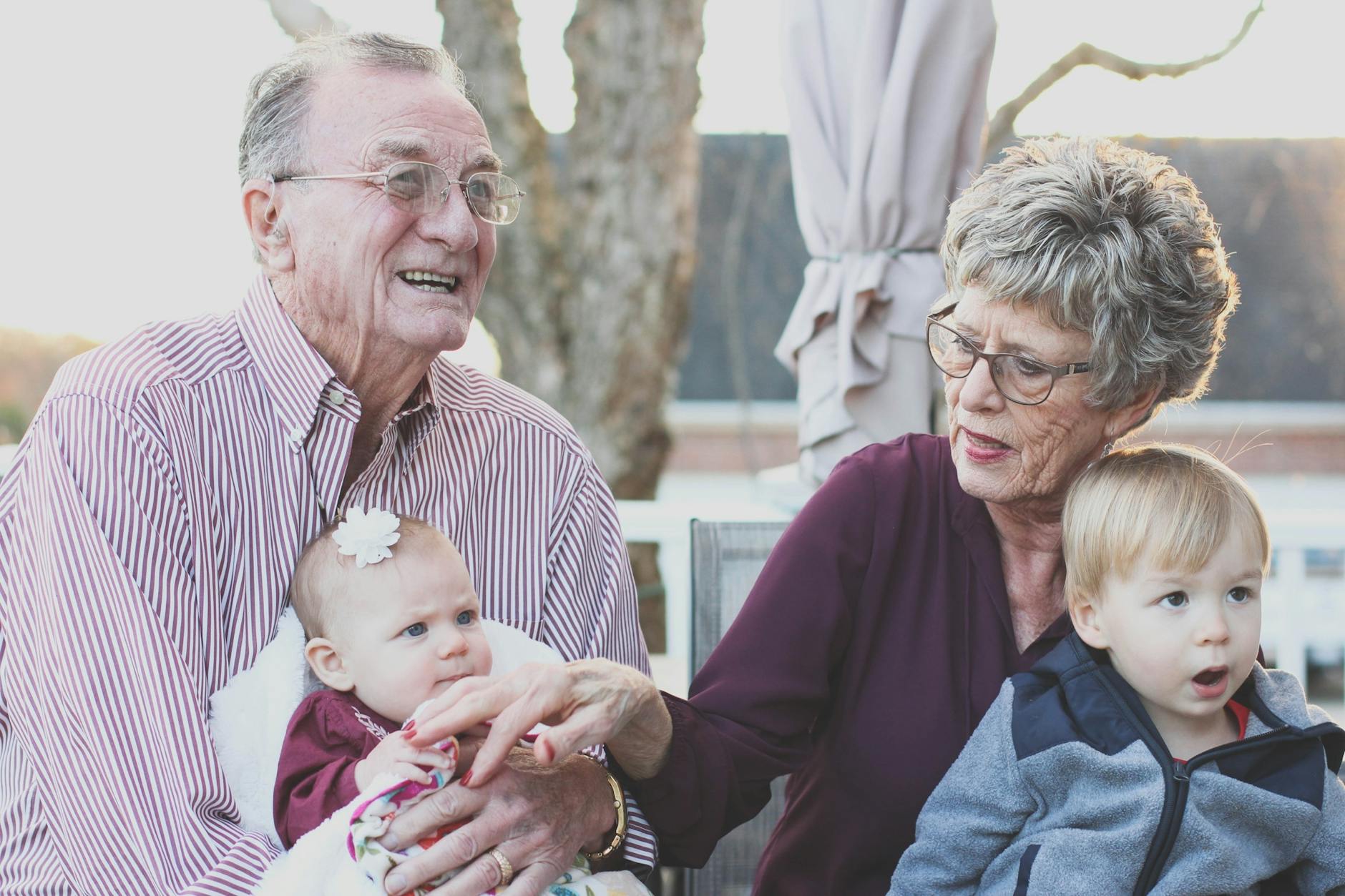
Hear me out.
What if the way we live today isn’t actually the best way to live?
We meet someone, fall in love, move out, rent or buy a house, and struggle to make ends meet.
We work endlessly to keep the lights on, pay for childcare, and save for the future—all while our parents, now in empty homes, wrestle with loneliness, changing purpose, and the ache of quiet rooms.
This cycle repeats—generation after generation.
Everyone struggling separately, even though we’re all craving the same thing: connection, belonging, and support.
But what if… it didn’t have to be like that?
💡 A Different Way to Live 💡
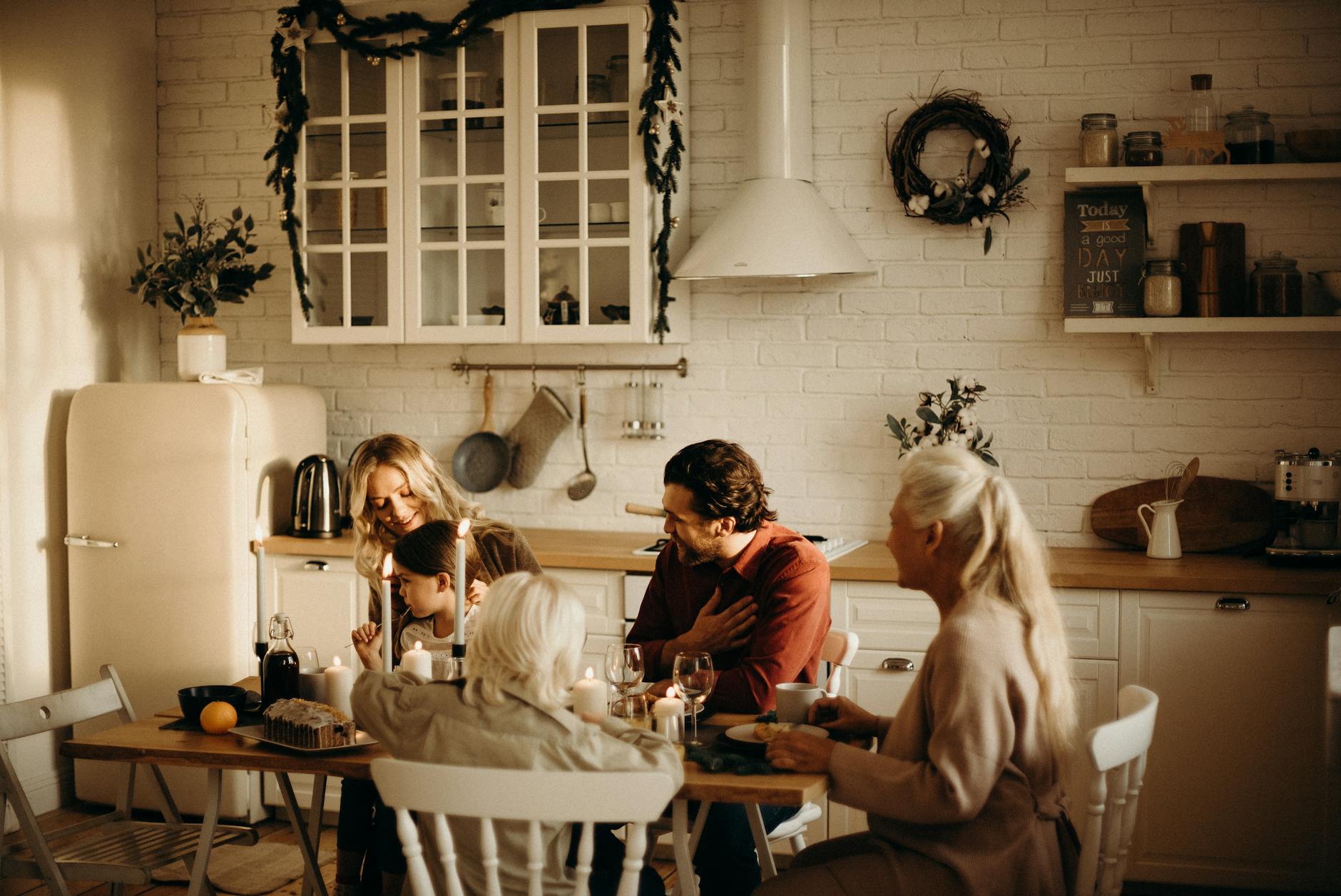
Imagine this instead:
We stay in the family home.
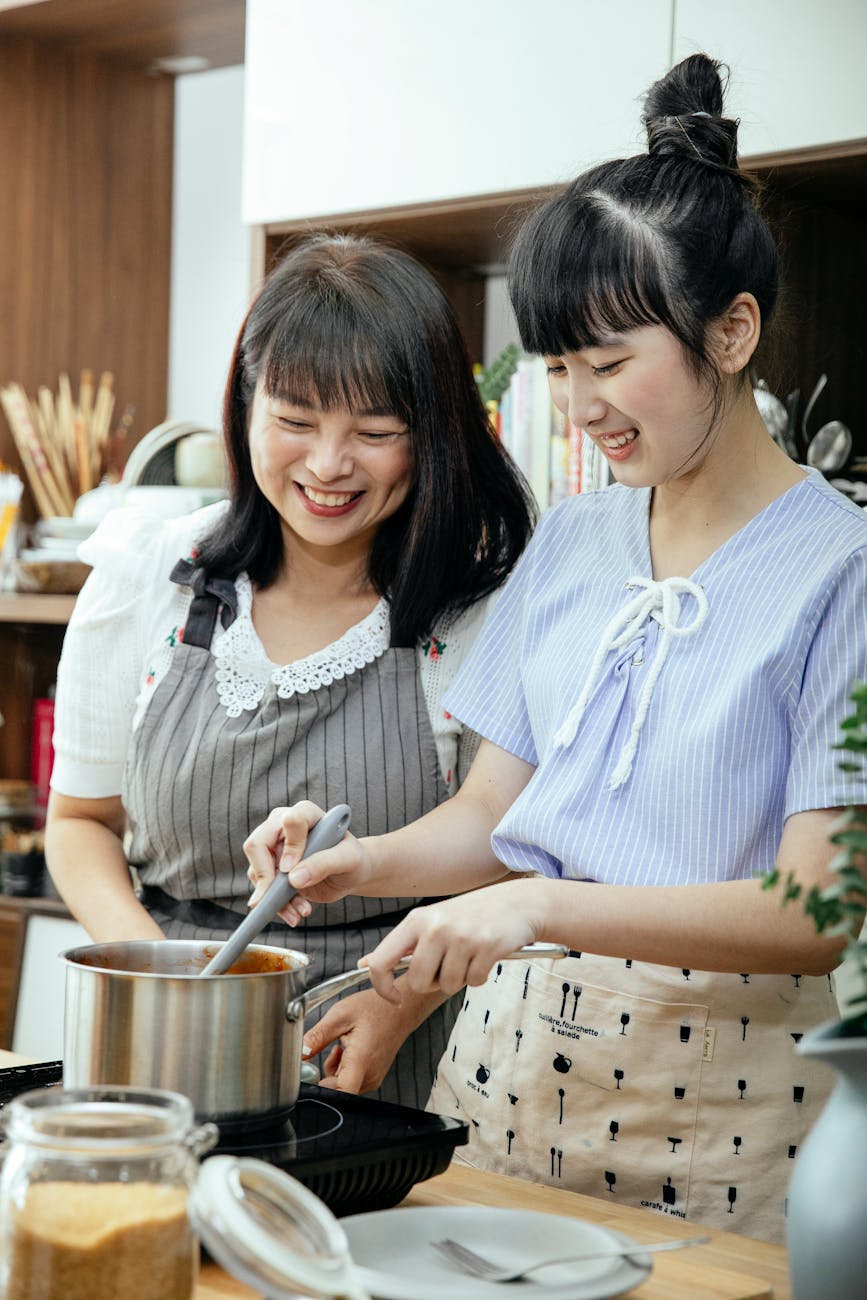
When we meet a partner and decide to start a family, we bring them into that home. The mother, daughter, and grandmother naturally share responsibilities—raising children, running the home, supporting each other.
Sons move into their partner’s family home, where they too become part of a wider family system.
It’s not about dependency—it’s about interdependence.
Everyone gives, everyone receives.
And once the younger generation begins working, they contribute to the household—not as rent, but as support.
They help pay the mortgage in proportion to their income. The burden eases on the parents, who can then semi-retire, travel, or simply breathe for the first time in years.
🌿 The Benefits of Living This Way 🌿
🧒 1. The Kids Win
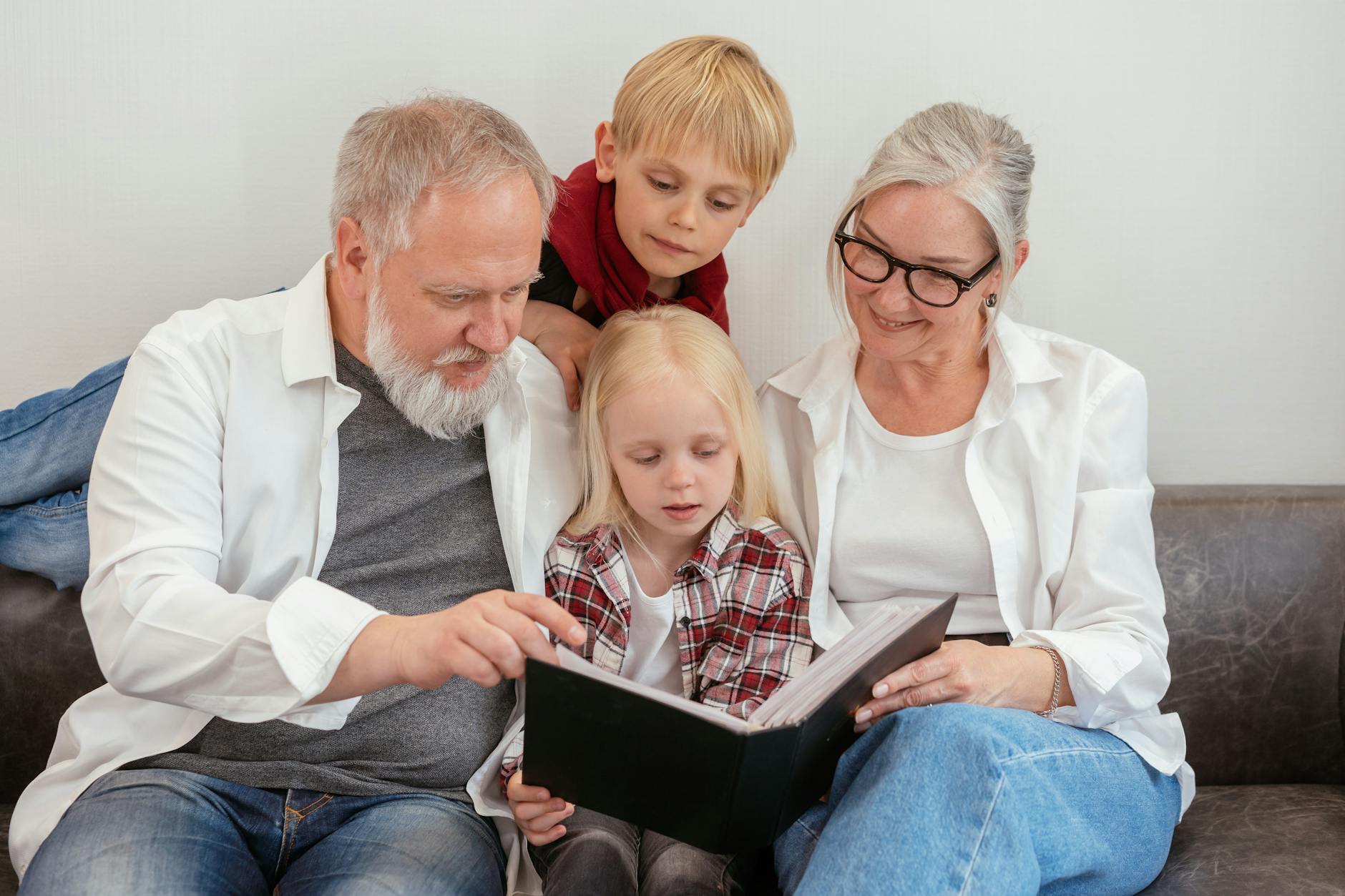
Children grow up surrounded by love, wisdom, and stability.
They’re raised not just by parents, but by grandparents and extended family who actually have the time to be present. There’s always someone home, someone listening, someone caring.
👵 2. The Grandparents Thrive
Older generations don’t fade into isolation. They’re valued, active, and surrounded by family. They get to witness their grandkids grow, share their stories, and live their later years with purpose and belonging.
💰 3. Financial Stress Eases
No multiple mortgages. No endless rent cycles.
Instead, one family home—shared and supported—where everyone contributes fairly and benefits from the collective effort. Wealth stays within the family, not drained into a system that keeps everyone on edge.
❤️ 4. Emotional Health Soars
We’d have less loneliness, less anxiety, and fewer people feeling lost.
Humans are wired for community. We were never meant to live isolated lives, juggling everything alone behind separate doors.
🔄 The Cycle of Care 🔄
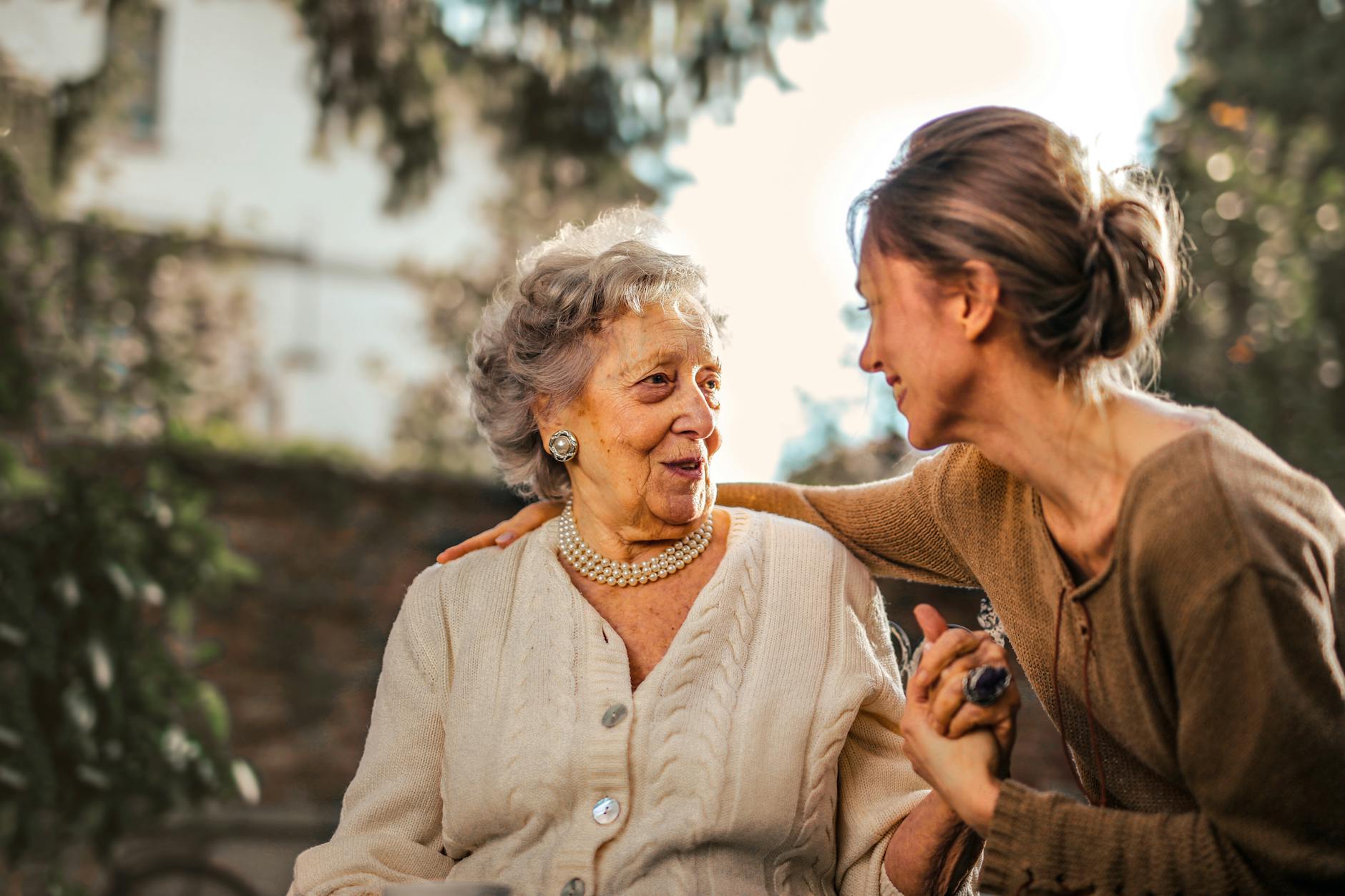
As parents age, their children are already there. Care becomes natural, not a burden. The kids have grown up in a multigenerational environment and know what it means to support one another.
When the grandparents pass, the family home remains the heart of the family—ready for the next generation to continue the cycle of love, care, and connection.
No one is left behind.
No one has to start from scratch.
And no one has to face life’s hardest moments alone.
🌸 It’s Not About Going Backward –
It’s About Going Home 🌸
This isn’t about living in the past or rejecting independence. It’s about redefining what independence really means.
True independence doesn’t come from isolation or financial struggle—it comes from knowing you’re supported, safe, and loved within a strong community.
Imagine homes filled with laughter, shared meals, multiple generations learning from each other.
Imagine less burnout, less financial stress, and more time spent on what actually matters: family, health, and peace.
🧠 Journal Prompts🧠

- What would living in a multigenerational home feel like to me?
- What fears would I need to let go of to live this way?
- How has modern independence shaped my view of family?
- What would it mean for my children to grow up surrounded by extended family?
- How could shared living reduce financial and emotional strain?
- What family values would I want to pass down in a system like this?
- What would my role be in this cycle of care?
- How can I bring more connection into my current family dynamic right now?
“We were never meant to do life alone. True strength is found in connection, not separation.”
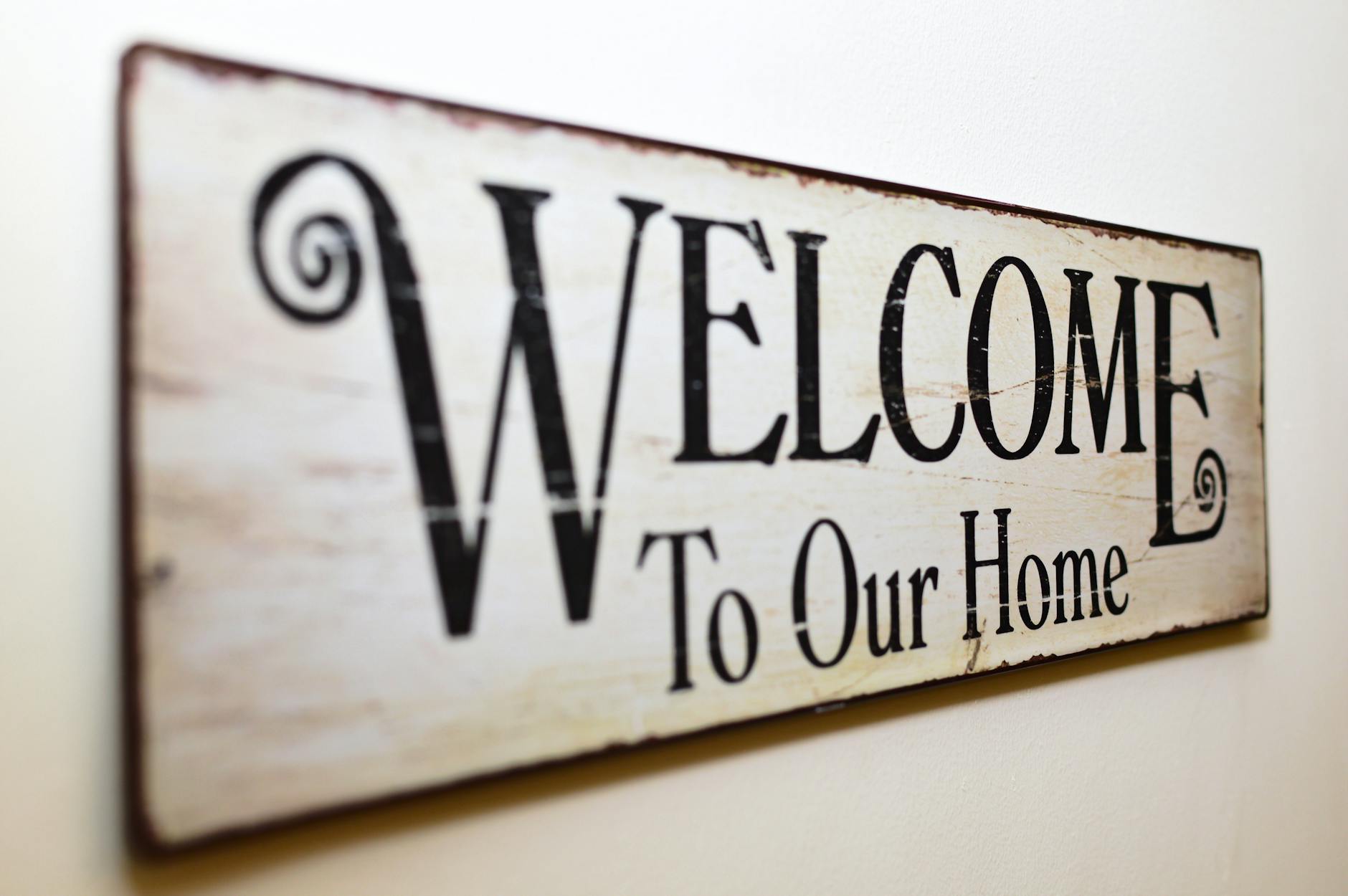
Maybe the problem isn’t us—it’s the system we’ve built around us.
We’ve created a society that glorifies independence while quietly starving us of connection. But we can change that.
We can build families and homes that work together instead of apart—where love, care, and stability are shared, not divided.
Maybe it’s time to stop chasing the dream of doing everything alone—and start creating a new dream, one where no one has to.


Leave a comment