


I’ve always seen religion as something that helps people choose between right and wrong—a moral compass that encourages kindness, compassion, and purpose.
While I’ve never fully believed all the stories as literal truth, I often wonder: are they metaphors or real events? I don’t know. But what I do know is that they hold wisdom, and for many, they shine a light in dark times.

What Is Religion?
Religion is, at its heart, a guide—a deeply personal and often communal path that helps people find meaning, connection, and direction in life.
It’s a set of beliefs, practices, and stories passed down through generations, aiming to answer life’s biggest questions:
Why are we here?
What happens after this?
How should we treat one another?
Whether through prayer, rituals, or sacred texts, religion offers comfort, structure, and hope to billions around the world.

One Positive and One Negative Found in All Religions
🌟 Positive: The call to love, respect, and care for others. At the core of every major religion is a message of compassion—help the poor, treat others as you wish to be treated, forgive, and give freely.
⚠️ Negative: When beliefs are used to divide or control. Sadly, throughout history, religion has also been used to justify conflict, judgment, or exclusion—often missing the heart of its original teachings.

A Beacon of Light
For many, religion is more than belief—it’s belonging.
It’s a place to find hope when everything else feels lost.
In a world that often feels chaotic, religion can offer peace, direction, and a reminder that there’s something bigger guiding us, holding us, and walking beside us.
Whether you follow a faith or not, may we all take the best parts of religion—love, humility, and unity—and let them lead the way.

Sacred Texts or Holy Scriptures for Different Religions
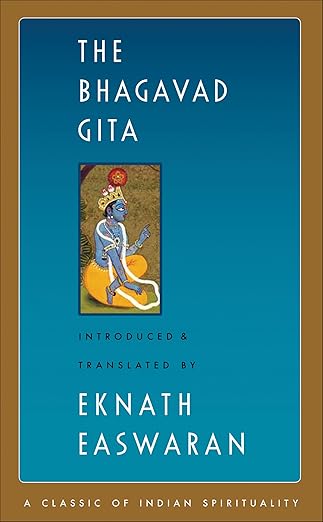
1. The Bhagavad Gita
Quote:
“You have the right to work, but never to the fruit of work.” – Bhagavad Gita 2:47
Takeaway:
Focus on your actions and duties without attachment to the outcome; this cultivates peace and purpose.
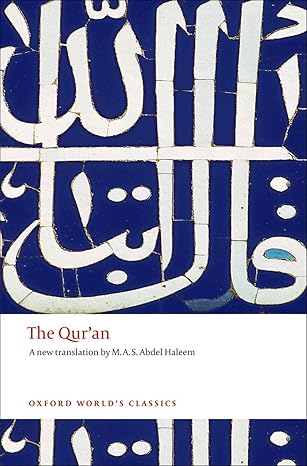
2. The Qur’an
Quote:
“Indeed, with hardship [comes] ease.” – Qur’an 94:6
Takeaway:
Even in life’s difficulties, relief and growth are promised—faith brings resilience.
3. The Bible
Quote:
“Love your neighbor as yourself.” – Mark 12:31
Takeaway:
Love and compassion are central to living a moral, God-centered life.
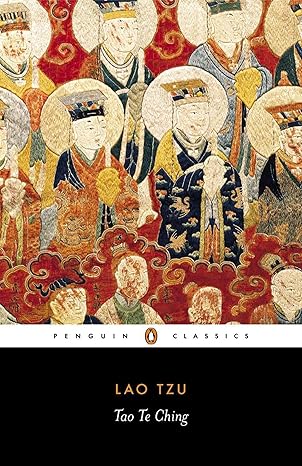
4. Tao Te Ching
Quote:
“Knowing others is intelligence; knowing yourself is true wisdom.” – Lao Tzu
Takeaway:
True strength and peace come from self-awareness and living in harmony with the natural flow of life.
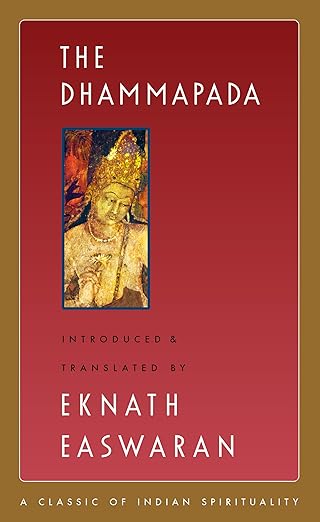
5. The Dhammapada
Quote:
“All that we are is the result of what we have thought.” – Dhammapada, Verse 1
Takeaway:
Our thoughts shape our reality; mindfulness is key to transformation and peace.
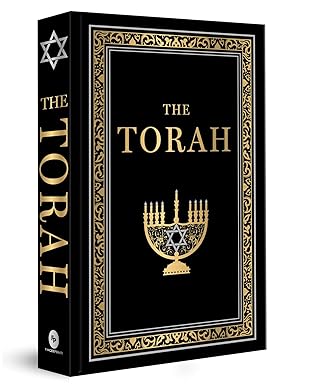
6. The Torah
Quote:
“Justice, justice you shall pursue.” – Deuteronomy 16:20
Takeaway:
Justice and righteousness are foundational to ethical living and community harmony.
7. The Book of Mormon
Quote:
“Men are, that they might have joy.” – 2 Nephi 2:25
Takeaway:
Human life has divine purpose, and joy is a central aim of existence and faith.
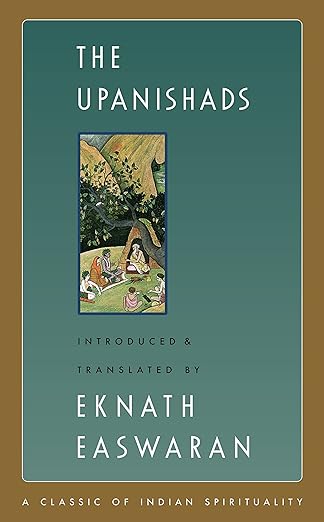
8. The Upanishads
Quote:
“As one acts and conducts himself, so does he become.” – Brihadaranyaka Upanishad
Takeaway:
Our actions and intentions mold our destiny; spiritual knowledge leads to liberation.